Just a few days of vaping can break down deep lung barriers and leave the body defenseless against respiratory viruses.
If you thought casual vaping was just inhaling harmless water vapor, think again. A lot of people pick up an e-cigarette on the weekend, assuming that without tobacco smoke, there is no real harm done.
New research from National Jewish Health proves that even brief vaping takes a heavy toll. In fact, it starts damaging your lungs on a microscopic level almost right away. Published in the medical journal JCI Insight, the study found that short-term vapor exposure harms the most fragile parts of your lungs and cripples your immune defenses against dangerous respiratory bugs like SARS-CoV-2.
Fast-Acting Harm in the Deepest Parts of the Lung
E-cigarette vapor damages delicate alveolar barriers and jams cellular cleaning systems within twenty-four hours of exposure.
To see what happens right after inhalation, researchers tested human microvascular endothelial cells and small airway epithelial cells. These delicate cells sit in your distal lung, where oxygen moves directly into your bloodstream.
Advertisement
Advertisement
Within just 24 hours of exposure to vapor levels that mimic casual vaping, the tight seals between cells began to fail. That means the protective barrier keeping fluid and irritants out of your bloodstream gets punctured almost immediately.
The vapor also sabotages a vital cleanup routine known as autophagy. Normally, healthy cells sweep up and recycle broken cellular parts. Instead, the vapor activates a cellular stress trigger called the JNK pathway, trapping cellular trash and building up a toxic protein called p62. At the same time, survival signals like mTOR shut down, cellular growth grinds to a halt, and programmed cell death accelerates.
Related: The Truth About Vaping and Its Growing Health Risks
Why the Damage Lingers Long After You Put the Vape Down
Hidden molecular stress and chronic inflammatory signals persist in pulmonary tissue ten days after vaping stops.
Does putting the vape away give your body a clean slate? The researchers tested that question by exposing animal models to e-cigarette vapor for five days, followed by ten full days of clean air.
Advertisement
Advertisement
On the outside, the animals seemed completely healthy. They didn’t lose weight or display typical symptoms of illness. Under the microscope, the story was completely different. Ten days after their last puff, their deep lung tissue still held four times as much p62 protein as unexposed lungs.
Their lungs also showed persistent chemical imbalance. Levels of the inflammatory signal interleukin-6 stayed 2.2 times higher than normal, while baseline interleukin-1β dropped by half. “Our findings suggest that even short-term vaping exposure can initiate injury in the deepest and most delicate regions of the lung,” explained senior author Dr. Irina Petrache, Chief of Pulmonary, Critical Care, and Sleep Medicine at National Jewish Health. “Importantly, some effects persisted after exposure ended and altered the immune response to a subsequent viral infection.”
Lowered Defenses Give Respiratory Viruses an Easy Pass
Prior vapor exposure disarms frontline antiviral genes, allowing viral infections to multiply with less resistance.
The study’s most troubling discovery is how pre-vaped lungs handle a subsequent viral invader. When researchers introduced SARS-CoV-2 to vapor-exposed tissue, the immune system stumbled.
Advertisement
Advertisement
Instead of firing up Th1 immunity, the body’s primary viral defense, the exposed cells suppressed critical antiviral genes. Without that natural barrier, the viral burden inside the tissue surged.
Worse yet, the damaged lungs misdirected their repair machinery. Rather than clearing the viral infection, the lung tissue activated pathways linked to abnormal scarring and fibrosis. Scientists warn that repeating this cycle could lay the groundwork for long-term respiratory diseases, such as chronic obstructive pulmonary disease. A casual weekend puff might quietly set you up for a much rougher bout of seasonal illness.
The Bigger Picture
Rising e-cigarette usage among young adults magnifies the public health threat of hidden lung injury.
These laboratory discoveries land at a moment when e-cigarette use is climbing across the country. Data from the Centers for Disease Control and Prevention show adult vaping jumped from 4.5% in 2019 to 6.5% in 2023.
Advertisement
Advertisement
Young adults between 21 and 24 years old lead the pack, with 15.5% actively vaping. What is striking is that over 61% of young adult vapers have never smoked a regular cigarette. Dual use is also an issue, with nearly 30% of adult vapers smoking combustible cigarettes as well.
Combining the two exposes delicate airway tissue to even heavier chemical loads. Meanwhile, 1.63 million middle and high school students report current e-cigarette use, according to the 2024 National Youth Tobacco Survey. More than 42% of high school vapers use devices frequently, and nearly 30% vape every single day.
The Food and Drug Administration continues to remind the public that no electronic nicotine delivery product is completely safe. Inhaled aerosols carry fine particles, volatile chemicals, and heavy metals straight into distal airways.
What This Means for Your Lungs

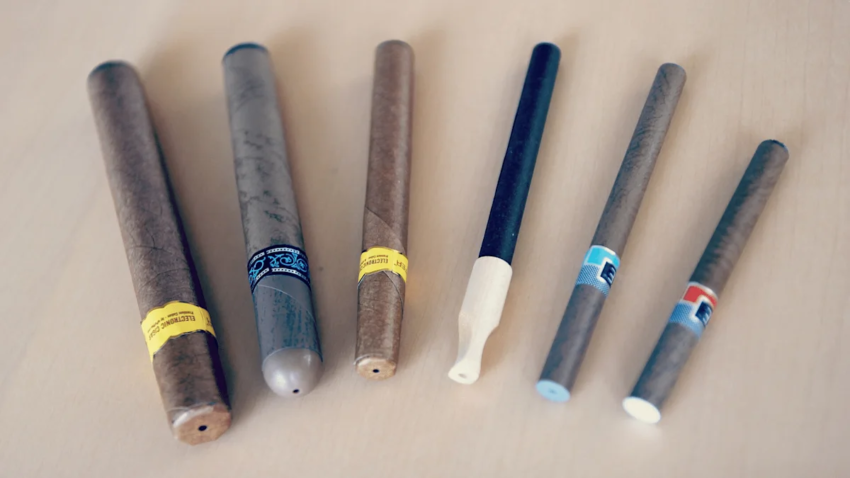
Image Credit: Milkos via 123RF
Even brief bouts of vaping trigger long-lasting cellular stress and leave your airways unprepared for viral infections.
Vaping is not an innocent habit, even if you only do it once in a while. Within 24 hours, vapor compromises distal lung seals and stalls vital cellular cleanup. Those changes do not vanish the moment you stop vaping. The stress lingers for days, muting your immune response and making common viruses hit harder.
How has learning about these hidden, lingering lung impacts changed the way you or the people around you view social or occasional vaping?
More Articles You Might Like:
Advertisement
Advertisement
The post Study Finds Even Short-Term E-Cigarette Use May Damage Lungs and Weaken Defenses Against Respiratory Viruses appeared first on FODMAP Everyday.